
Spring Clean Your Child's Screen Time
Replace Passive Scrolling with Active Learning
Not all screen time is created equal. Three questions that change everything — replace passive scrolling with active learning your child genuinely benefits from.
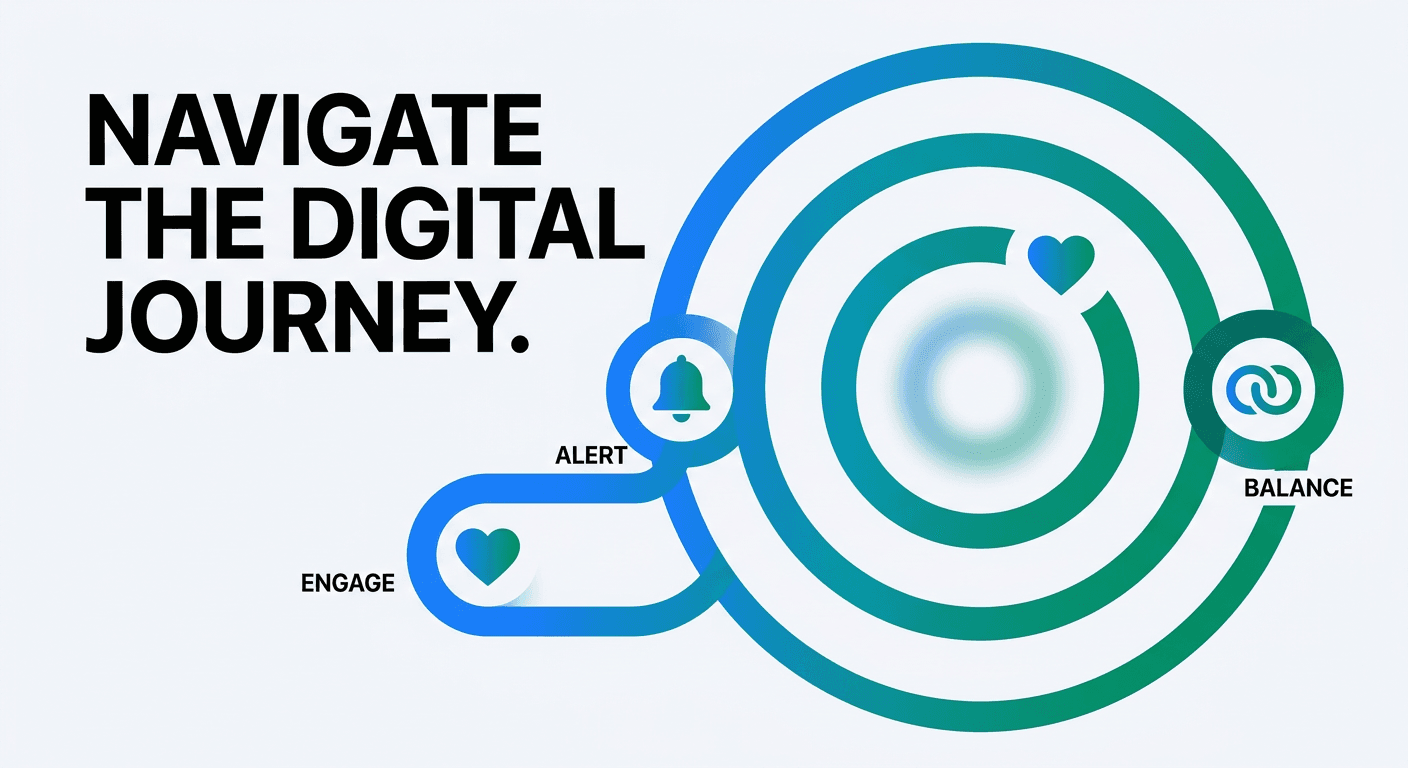
Your kid watched 45 minutes of YouTube today. Maybe more. And somewhere between loading the dishwasher and answering that last email, the familiar knot of guilt tightened in your chest.
You're not alone. Most parents carry this feeling like a low-grade fever — the sense that screens are stealing something from their children, but no clear idea what to do about it that doesn't end in a meltdown.
Not all screen time is created equal. The real question was never how much. It's what kind.
Here's the thing that changed my thinking entirely: not all screen time is created equal. The real question was never how much. It's what kind. And once you see the difference between passive consumption and active learning, you can't unsee it.
Last week, we explored what AI actually means — no jargon, just the plain truth. This week, we're going deeper: how to turn that understanding into screen time your child genuinely benefits from. Next week, we'll walk you through your child's first week with AI learning, step by step.
But first — before you read further — think about one app your kid reaches for every single day. Hold it in your mind. We'll come back to it.
Why Passive Scrolling Works Against You
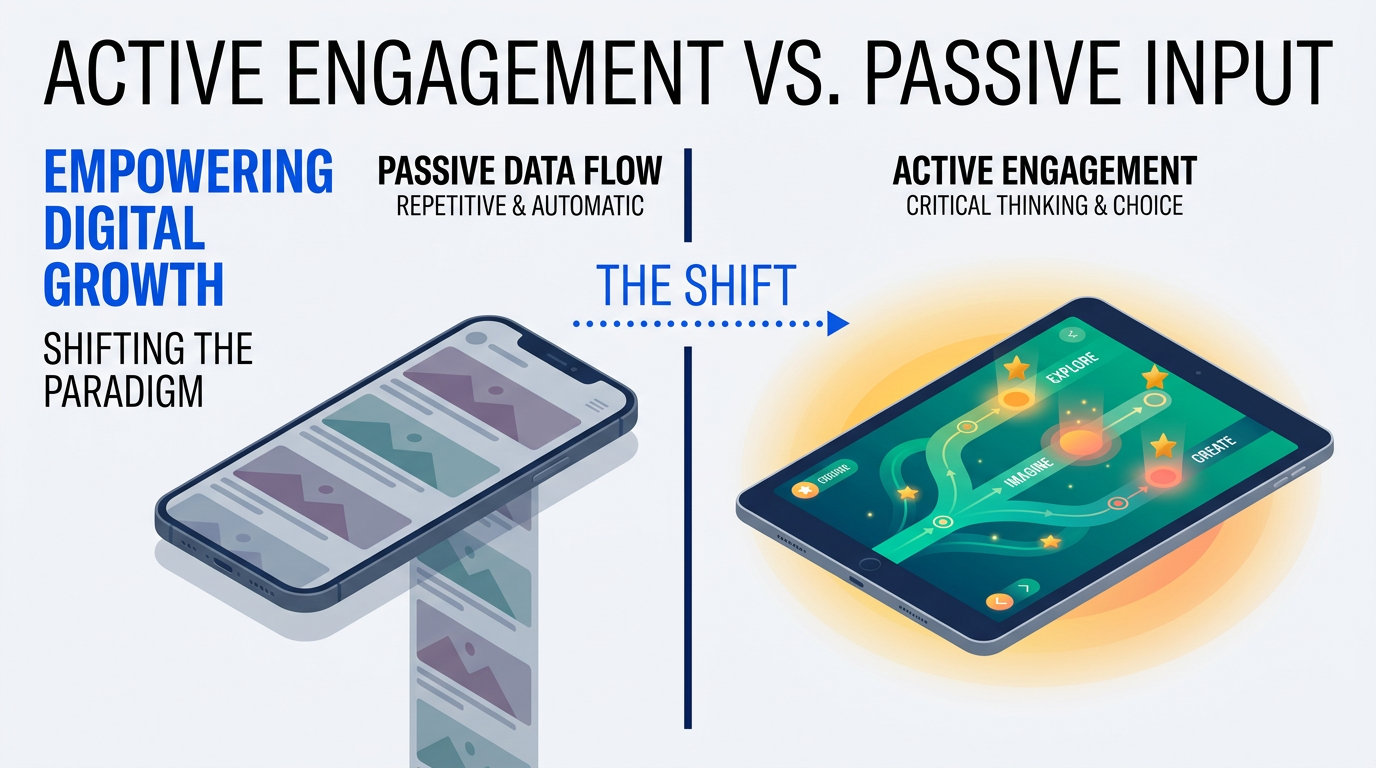
Here's something worth understanding: the apps your child scrolls through weren't designed to teach them anything. They were engineered — carefully, deliberately — to keep them watching. Autoplay queues the next video before the current one finishes. Infinite scroll removes every natural stopping point. Algorithmic feeds learn exactly what holds your child's attention and serve more of it, endlessly.
The mechanism is simple. Every swipe delivers a micro-dose of novelty. The brain registers a tiny reward, so it swipes again. No effort required. No thinking needed. Just thumbs moving on glass.
Many parents notice the aftermath before they understand the cause: the glazed expression, the irritability when the screen comes away, the sudden inability to focus on anything requiring patience. That's not your child being defiant. That's a nervous system that just spent 40 minutes in a dopamine loop designed by some of the smartest engineers on the planet.
What gets lost in that loop is what matters most — curiosity, the tolerance for boredom (which is where original thinking begins), and the kind of deep engagement that builds real understanding.
This isn't about guilt. This is about design working against you.
What Active Learning Actually Looks Like
Active learning isn't a buzzword. It's what happens when a child's brain is genuinely engaged — following a story, making a decision, discovering how something in their world actually works. And it looks completely different from passive consumption, even when both happen on the exact same device.
The difference is visible from across the room. Watch a child passively scrolling and you'll see slack eyes, automatic thumb movement, a body that's present but a mind somewhere else entirely. Now watch a child absorbed in a story that challenges them — they lean in. They pause at a decision point. They furrow their brow. Sometimes they talk to the screen. That's a brain building new connections in real time, and you can see it happening.
Here's what makes story-based learning powerful: children already understand the world through narratives. It's how they've learned since they could listen. When a story puts a character in a situation where they need to figure out how a search engine finds the right answer, or why a voice assistant sometimes gets things wrong, or how a recommendation feed decides what to show next — the child isn't memorising a definition. They're discovering a concept through a character they care about. And that discovery sticks.
Think of the last time your kid was so absorbed in something that they forgot what time it was — not because an algorithm kept feeding them content, but because they genuinely wanted to know what happened next. That's the feeling. That's active learning.
So how do you tell the difference between an app that's genuinely active and one that's just marketed that way?
Three Questions That Change Everything
You don't need a degree in education to evaluate your child's screen time. You need three questions. Use them the next time your child reaches for a device — and you'll know immediately whether what they're about to do is worth the time.
Is this engaging their brain — or just their thumb?
Look for the difference between tapping and thinking. An app where your child follows a story, makes choices that affect what happens next, and discovers ideas along the way is engaging their brain. An app where they swipe, watch, and repeat is engaging their thumb — and little else. Sit with them for five minutes. Does their face change? Do they pause at a decision? Or are they on autopilot, thumb moving in the same rhythm regardless of what's on screen?
Will they learn something that connects to their real world?
After the screen goes dark, ask one simple question: What was that about? If they can tell you a story, explain a concept, or — better yet — point to something in their daily life that works the same way, that's active learning. If they shrug and say "nothing," that's passive consumption. The test is whether what they experienced on screen makes them see the world around them differently. When your child looks at their Spotify recommendations and says "oh, that's like what happened in the story" — something real just clicked.
Does it keep them engaged without frustrating or boring them?
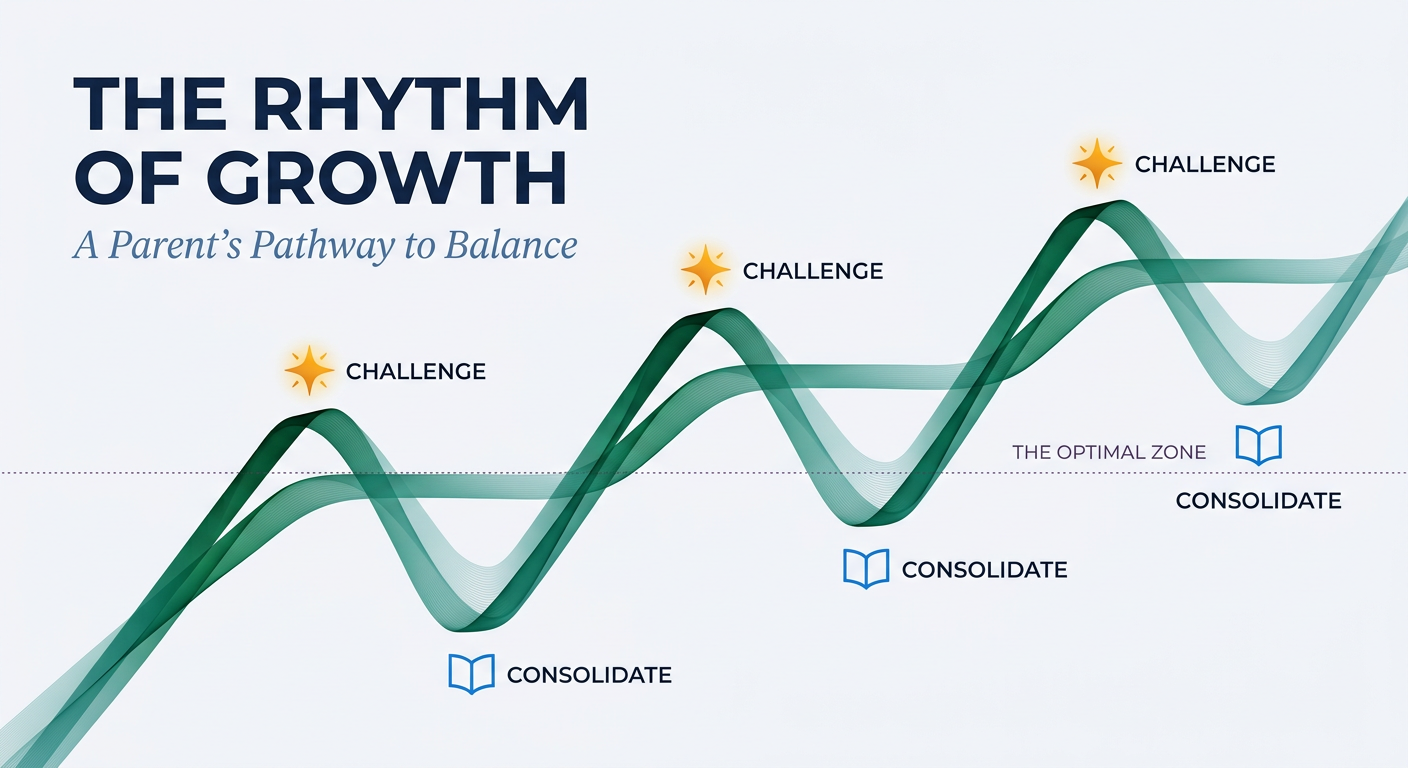
This is the question most parents skip, and it matters enormously. The best learning experiences aren't a straight line of increasing difficulty — that's a recipe for either boredom or defeat. They follow a rhythm: a new challenge, then a chance to consolidate what they've learned in a different story context, then a fresh challenge that builds on what came before. Your child stays in the sweet spot — stretched but not stuck, engaged but not overwhelmed. They want to keep going, but they're not frantic about it. Focused, not wired.
Remember that app you were thinking about at the start? Run it through these three questions and see what you find.
What Real Families Are Discovering
One mum noticed her 10-year-old had been on his tablet for 20 minutes without a sound. She expected the usual — YouTube, autoplay, glazed eyes. Instead, he was deep in a story about a character figuring out which messages were real and which were spam. When she asked what he was doing, he explained the whole plot — then added, "Mum, that's basically how Gmail works, right?" She'd never heard him connect anything on a screen to something in the real world before.
Another parent — a dad who'd battled screen time guilt for years — tried story-based AI learning with his seven-year-old daughter. The stories varied between new challenges and familiar concepts explored in different ways, which kept her engaged without the frustration that usually ended their homework sessions. After two weeks, he noticed something unexpected: she'd stopped asking for TikTok in the evenings. "She actually wants to find out what happens next in the story. I've never seen her choose learning over scrolling before."
A third family saw a smaller moment that hit just as hard. Their daughter was scrolling Instagram when she stopped mid-scroll, looked up, and said, "This feed is showing me things because of an algorithm — like the one in the story I did yesterday." Her parents looked at each other. Something had shifted. She wasn't just consuming anymore. She was seeing how it worked.
These aren't miracle stories. They're what happens when you swap passive time for something that teaches children how the technology around them actually works — through stories they actually care about.
What a Platform Built on These Principles Looks Like
So what happens when a learning platform is actually designed around story-based exploration instead of engagement tricks?
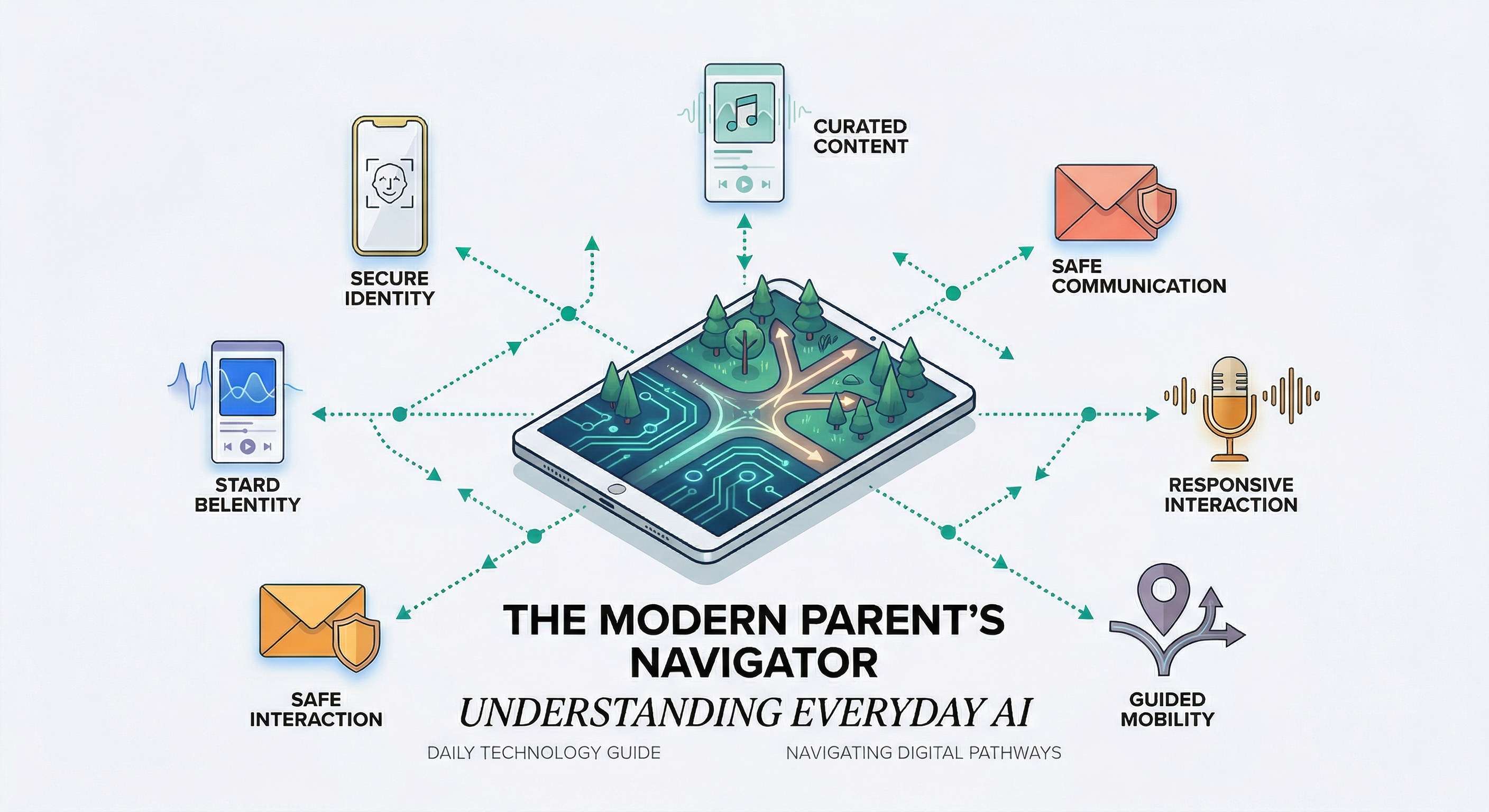
It looks like adventures where your child discovers AI concepts — not by memorising definitions, but by following characters who encounter the same systems your child uses every day. Recommendation feeds, voice assistants, facial recognition, spam filters — woven into stories that make invisible technology visible.
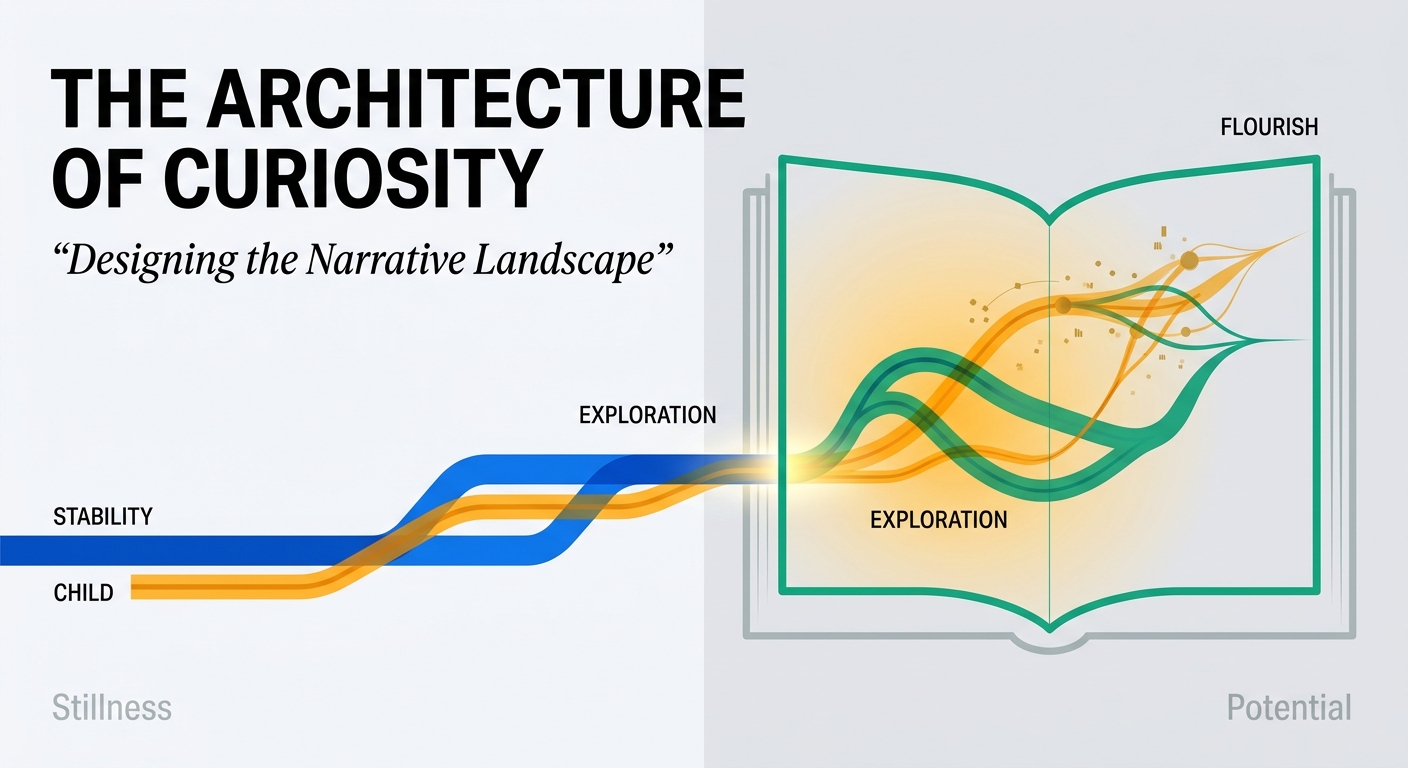
It looks like a learning rhythm where difficulty shifts from lesson to lesson. Sometimes the story introduces something new and stretches their thinking. Sometimes it revisits a familiar idea in a different narrative context. This rhythm — challenge, consolidation, then a fresh challenge that builds on what came before — keeps your child in the sweet spot where real learning happens.
It looks like a parent dashboard showing genuine progress: concepts understood, real-world connections made, stories completed — not just minutes logged. And zero ads, zero algorithmic rabbit holes, zero dark patterns. Learning without the manipulation.
This is what Digital Codi was built to do. Not to replace your child's teacher or your instincts as a parent — but to give your family a learning tool that builds real AI literacy through stories your child actually wants to explore.
Your Next Step
Ready to see what story-based AI learning looks like for your family? The simplest way is to try it.
Digital Codi's free trial gives you two full weeks — no credit card, no commitment. Just you, your child, and stories that teach them how the AI systems in their world actually work.
Text this to your partner. Try it together this weekend. And next week, we'll walk you through exactly what your child's first week with AI learning looks like — what to expect, how to support them, and how to celebrate the wins.
Imagine your kid looking up from a screen and explaining how something in their world actually works — not because they were told to learn it, but because a story made them curious enough to figure it out. That's not a fantasy. That's what active learning looks like.
Next in this series: Your Child's First Week with AI: A Step-by-Step Family Guide — coming next week.